
Setting Boundaries With Family During the Holidays: A Therapist’s Guide to Peace
What Healthy Holiday Boundaries Sound Like in Real Life
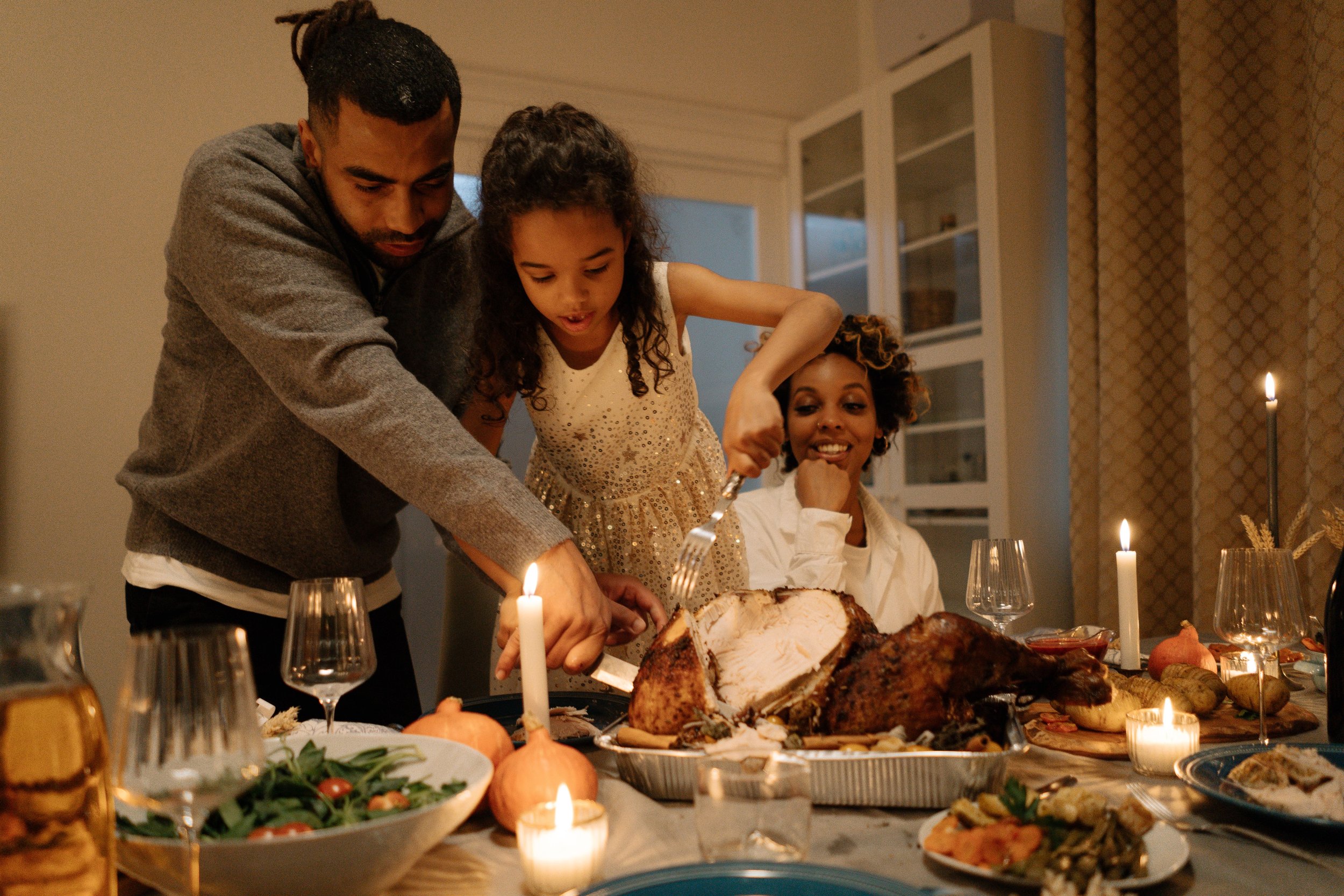
Setting boundaries with family during the holidays sounds intimidating until you have simple, practiced language to rely on. You do not need to give a speech, defend your choices, or apologize for taking care of yourself.
Here are practical examples of what calm, grounded boundaries look like in common holiday situations:
When relatives comment on your eating habits or body:
"I am enjoying my meal today, and I prefer not to talk about food choices or bodies at the table."
When you need to step away from escalating family conflict:
"I care about everyone here, but I am going to step outside for some quiet fresh air while things cool down."
When you are pressured to stay later than you planned:
"Thank you for hosting such a warm gathering. I need to head out now so I can rest, but I am glad we spent this time together."
When someone pushes past a topic you already declined:
"I know you are curious, but that topic is off the table for today. Let us focus on enjoying our afternoon."
Clear boundaries are not an attack on your family. They are a clear bridge that helps you stay connected to the people you love without abandoning yourself in the process.

How to Heal from Betrayal Trauma and Rebuild Trust in Relationships
Healing from betrayal trauma is rarely a straight line—it is a intentional process of moving from shock and deep emotional pain toward safety and self-discovery. When the foundation of a relationship is shattered, rebuilding trust requires more than just time; it demands honest communication, clear boundaries, and a willingness to honor your own emotional capacity. Whether you are choosing to repair your relationship together or focus entirely on your individual path forward, learning how to process the trauma is the crucial first step. Explore actionable steps to ground yourself, establish emotional safety, and rebuild a future rooted in peace.
Would you like me to tailor this excerpt further to emphasize a specific aspect of the article, such as individual self-care or couples' therapy tools?

The True Cost of Hypervigilance: Recognizing the Signs of Trust Struggles in Your Daily Life
When you are struggling with building trust in relationships, it can feel like you are constantly living on high alert. You might find yourself analyzing a partner's tone of voice, worrying when a friend takes too long to text back, or mentally preparing yourself for the moment someone decides to leave. This state of constant scanning is not a flaw in your character. It is a natural response from a nervous system that has learned that vulnerability is dangerous.
Living with the fear of rejection means your emotional alarm system stays on. To protect yourself from the pain of being discarded or let down, you might create distance, push people away, or avoid getting close to anyone at all. While these choices are meant to keep you safe, they often reinforce the very isolation you want to escape. Understanding how past wounds fuel distrust can help you shift away from defense mechanisms and move toward authentic, lasting connection.

Rise from the Ashes: Healing After Trauma
Trauma changes how we see ourselves and the world — but it doesn’t have to define your story. Learn how to heal gently, find hope again, and rise from the ashes with faith, self-compassion, and practical tools for recovery.