
7 Signs You Might Have Attachment Issues
Imagine waiting for a message from someone you care about. You see the typing bubbles, but then they disappear, and you feel anxious and worried about being ignored. If you’ve ever felt nervous in relationships, struggled to get close to others, or feared being left out, you’re not alone. Many people have these feelings, which can appear in both romantic and friendly relationships. These patterns often begin in childhood and influence how we trust, connect, and handle our emotions as adults.
Understanding these patterns is the first step toward breaking the cycle. This article follows a simple roadmap: Recognize, Understand, Heal. By recognizing the signs of attachment issues, such as fear of abandonment, difficulty trusting others, or struggles with intimacy, you can start to see where your habits come from and how they affect your relationships. In this post, we will explore the seven key signs of attachment issues, explain why they happen, and share practical ways to begin healing attachment wounds and creating healthier and more secure connections in your life.

What Are Attachment Issues? How do attachment issues develop?
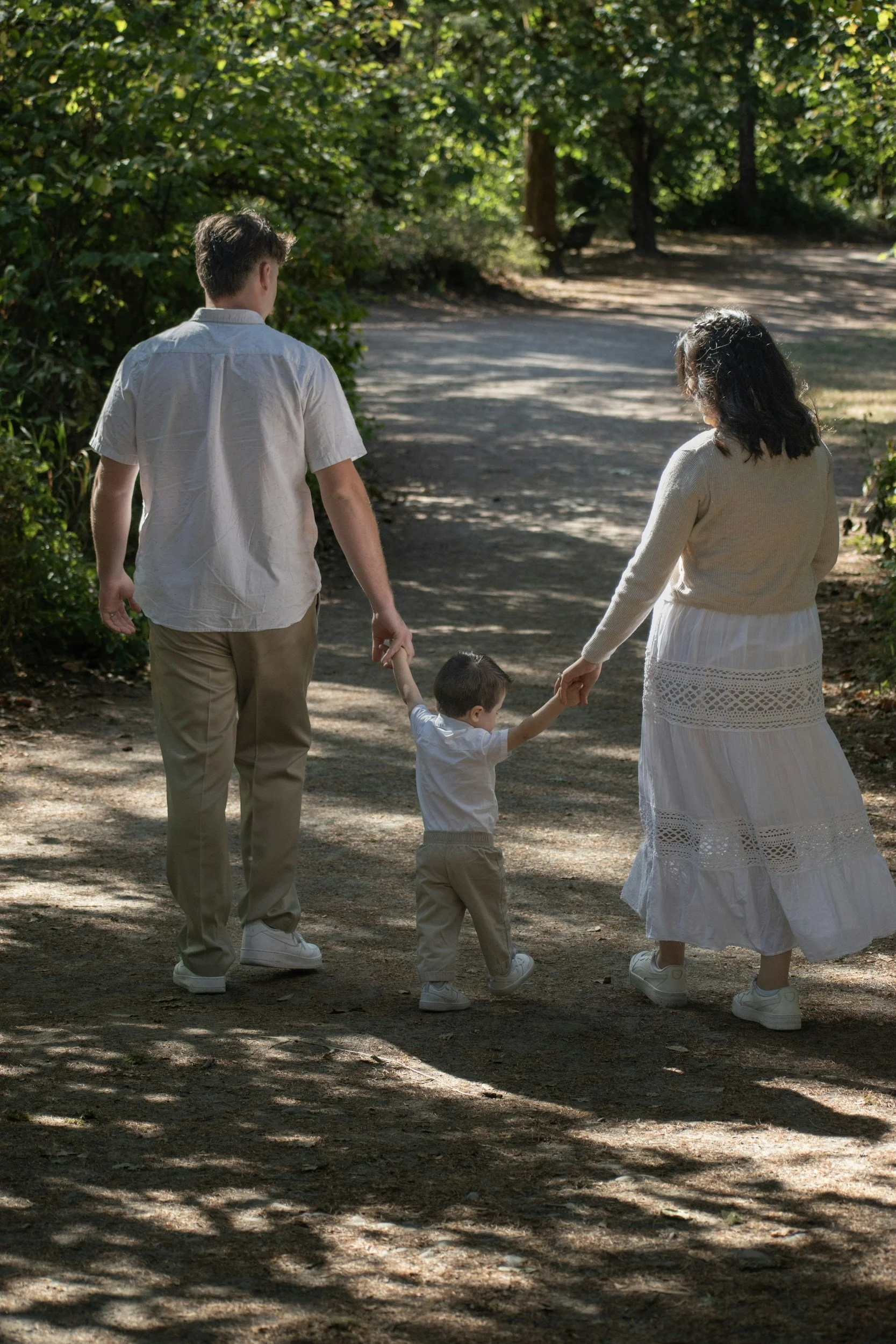
Attachment issues often begin in early childhood, shaped by how caregivers met our emotional needs or failed to do so. Attachment is the emotional bond between a child and their caregiver, and it affects future relationships. Some caregivers may have been distant, distracted, or inconsistent with their affection. Others may have been quick to criticize or tried to control everything, making it hard to know what to expect. These early experiences can have lasting effects, making it difficult to trust or form healthy relationships as adults.
What’s the difference between secure and insecure attachment?
Attachment theory identifies four attachment types, but in adults, the focus is usually on secure and insecure attachment patterns. Adults with secure attachment feel confident in themselves and their relationships. They can trust others, set healthy boundaries, and form deep emotional connections.
Insecure attachment can look different for everyone. It might show up as anxiety, avoidance, or feeling all over the place in relationships. Some people become clingy or need lots of reassurance, while others pull away or avoid closeness to protect themselves. These patterns often trace back to early experiences and shape how we trust, communicate, and connect as adults. Noticing your own attachment style is a powerful first step toward understanding your patterns and building stronger, more secure relationships.
Common Signs of Attachment Issues
Attachment issues can show up in lots of different ways, shaping how we connect with others and move through our relationships. Noticing these signs is a gentle first step toward understanding your own patterns and starting the healing process. While everyone faces relationship bumps now and then, ongoing patterns may signal something deeper. Here are seven signs to look out for.
1. Fear of Abandonment
A strong fear of being left behind is a common sign of attachment issues. You might feel anxious while waiting for someone to respond, need frequent reassurance, or worry when someone you care about is unavailable. These worries can create tension and make relationships feel less safe.
2. Difficulty Trusting Others
If you struggle to trust the people closest to you, you’re not alone. Overthinking, feeling suspicious, or pulling back emotionally can make it tough to build real closeness. Intimacy may feel fragile or just out of reach.
3. Emotional Dependency or Avoidance
You might find yourself relying on others for constant validation, or you may keep your distance to avoid being hurt. Both patterns can create a push-and-pull dynamic and increase anxiety in your relationships.
4. Walking on Eggshells
If you feel like you’re always walking on eggshells, trying not to upset anyone, you’re not alone. This often comes from past experiences where sharing your feelings didn’t feel safe or was met with criticism. It can make open, honest communication feel really hard.
5. Struggles with Intimacy
Being vulnerable can feel uncomfortable if you have attachment wounds. You might find it hard to share your feelings, avoid getting too close, or feel frustrated when deep connections seem out of reach.
6. Jealousy or Insecurity
Jealousy or insecurity can pop up in relationships, sometimes out of nowhere. You might worry about your partner’s attention or loyalty, which can lead to misunderstandings or conflict.
7. Repeating Unhealthy Patterns
You might see the same patterns repeating, such as choosing partners who are not emotionally available or getting stuck in cycles of conflict and reconciliation. Noticing these patterns is an important step toward breaking the cycle and building healthier relationships. Imagine being with a partner who shares emotions, listens, and communicates openly. Thinking about a supportive relationship can motivate you to change unhealthy cycles and work toward secure, fulfilling connections.
Remember, noticing these signs is not about labeling yourself. It is about understanding your emotional patterns with compassion. Being aware is the first step and can help you seek support and start building more secure, fulfilling relationships.
Which of these signs do you recognize in your own relationships, and how have they affected the way you connect with others?

How Attachment Issues Affect Relationships
Attachment issues do not only affect your thoughts; they can appear in all types of relationships, including with romantic partners, friends, and even at work. When you notice these patterns, you can start making positive changes.
One of the most common ways attachment issues appear is through trust issues. Adults with attachment challenges may struggle to trust partners, friends, or family members, often fearing betrayal or abandonment even when there is no real threat. This can create tension, misunderstandings, and a sense of distance in relationships.
Communication struggles are also common. Attachment issues can make it tough to share your feelings or listen without judgment. You might avoid conflict altogether, or sometimes overreact, which can lead to cycles of tension and stress.
Attachment challenges can also contribute to codependency or emotional enmeshment, where one person relies too heavily on another for validation and self-worth. On the flip side, some individuals pull away or shut down to protect themselves, which can lead to intimacy issues and prevent deep emotional connections.
These repeated patterns can influence how you manage your emotions, handle conflict, and build healthy relationships. Noticing them is an important step toward breaking these cycles and creating stronger, more secure connections.
Have you noticed these patterns in your relationships? How has attachment anxiety affected your ability to trust or connect with others?

Causes of Attachment Issues
Attachment issues often begin in early childhood. They can develop if a caregiver is inconsistent, emotionally distant, or not fully present. Some people grow up with parents who are loving at times but distant or critical at others, making it hard to know how to rely on others. Trauma or ongoing stress in childhood can also make it difficult to feel safe and form secure bonds.
Even small patterns in early caregiving, such as a parent being distracted by their own life or being too controlling, can affect how a child learns to connect, trust, and express emotions. Over time, these experiences can cause lasting attachment wounds that show up as anxious or avoidant behaviors in adult relationships.
It is also important to know that adult experiences can reinforce these patterns. Unhealthy relationships, repeated betrayals, or ongoing stress can bring back old attachment responses, making it harder to form secure connections. Knowing that attachment issues often start in early life and can be reinforced later can help you approach your relationships with compassion for yourself and others, while taking steps toward healing and healthier patterns.

Healing and Overcoming Attachment Issues
If you see these patterns in your own relationships, know that healing is possible. Even if these habits started in childhood, you can learn new ways to connect, manage your emotions, and build secure, healthy relationships as an adult.
Individual therapy is one of the most helpful ways to work through attachment challenges. Approaches like attachment-focused therapy, cognitive behavioral therapy, or trauma-informed therapy can help you explore where your patterns come from, understand your triggers, and find new ways to build healthy relationships. Meeting with a therapist gives you a safe space to process your past and practice new ways of connecting.
If you’re facing relationship struggles, couples therapy can be a great support. A therapist can help you and your partner spot patterns shaped by attachment issues, improve your communication, and learn to respond to each other with more empathy and understanding.
Self-help strategies can also support growth outside of therapy. Practices like journaling, self-reflection, and mindfulness exercises increase self-awareness and help you identify recurring relational patterns. Building healthy boundaries is another key step, allowing you to engage in relationships without losing your sense of self or becoming overly dependent on others.
Healing attachment wounds takes time, patience, and practice. By combining therapy, self-awareness, and intentional relationship work, you can gradually build more secure, trusting, and fulfilling connections.
Which of these strategies feels most approachable for you, and how could you start applying it to your relationships today?

When to Seek Professional Help
While self-awareness and self-help strategies can be helpful, there are times when professional support is necessary. If your attachment issues consistently cause anxiety, strain your relationships, or make it difficult to trust and connect with others, it may be time to consider therapy. Other warning signs include repeated cycles of conflict, emotional withdrawal, or persistent feelings of insecurity that interfere with daily life.
Counseling for attachment issues or adult attachment therapy provides a safe space to explore these patterns, understand their origins, and develop practical strategies for healthier relationships. Couples experiencing ongoing tension or difficulty communicating may benefit from relationship counseling, which can help both partners address attachment-related challenges and build stronger emotional connections. Seeking professional guidance is not a sign of weakness but an important step toward healing and creating secure and fulfilling relationships.

Conclusion
Attachment issues can appear in many ways, such as fear of abandonment, trouble trusting others, struggles with intimacy, jealousy, emotional dependency, being overly cautious, and repeating unhealthy patterns. Recognizing these seven signs is an important first step to understanding your emotional patterns and improving your relationships. Picture being able to laugh during disagreements, feel secure even when apart, and express your needs with confidence. This image of secure relationships shows the benefits of change and encourages hope for healthier connections.
Remember that attachment issues are common and can be treated. With awareness, self-reflection, and the right support, adults can start to heal attachment wounds and build healthier, more secure connections.
If you notice these patterns in your relationships, consider trying therapy, self-help strategies, or resources that support emotional growth and healthy relationships. Taking these steps can help you build trust, improve intimacy, and create more fulfilling connections. Understanding and working on attachment issues is a valuable way to care for your emotional well-being and future relationships.

FAQ on Attachment Issues
1. What are attachment issues in adults?
Attachment issues in adults are patterns of relating to others that develop from early childhood experiences with caregivers. They often affect trust, intimacy, and emotional regulation in relationships. Adults with attachment issues may struggle with anxiety, avoidance, or difficulty forming deep connections.
2. What causes attachment issues?
Attachment issues often originate from inconsistent caregiving, neglect, trauma, or emotionally unavailable parents during childhood. These early experiences can create lasting attachment wounds that influence how adults respond to intimacy and trust in relationships.
3. What are the signs of attachment issues?
Common signs include fear of abandonment, difficulty trusting others, emotional dependency or avoidance, walking on eggshells in relationships, struggles with intimacy, jealousy, and repeating unhealthy relationship patterns. Recognizing these signs is key to addressing them.
4. Can attachment issues be healed?
Yes, attachment issues can be healed through self-awareness, therapy, and relationship work. Approaches such as attachment-focused therapy, cognitive-behavioral therapy, and trauma-informed therapy can help adults develop healthier relational patterns and form a secure attachment.
5. How do attachment issues affect relationships?
Attachment issues can cause intimacy issues, trust problems, communication breakdown, and conflict avoidance. They influence both romantic and platonic relationships, often creating cycles of tension that can be addressed through therapy and intentional self-work.
Authoritative External Sources
American Psychological Association (APA) – Attachment in Adults
Psychology Today – Adult Attachment Styles
Verywell Mind – Attachment Styles and How They Affect Relationships
