
Addicted to Swiping: Why We Use Dating Apps for Constant Validation
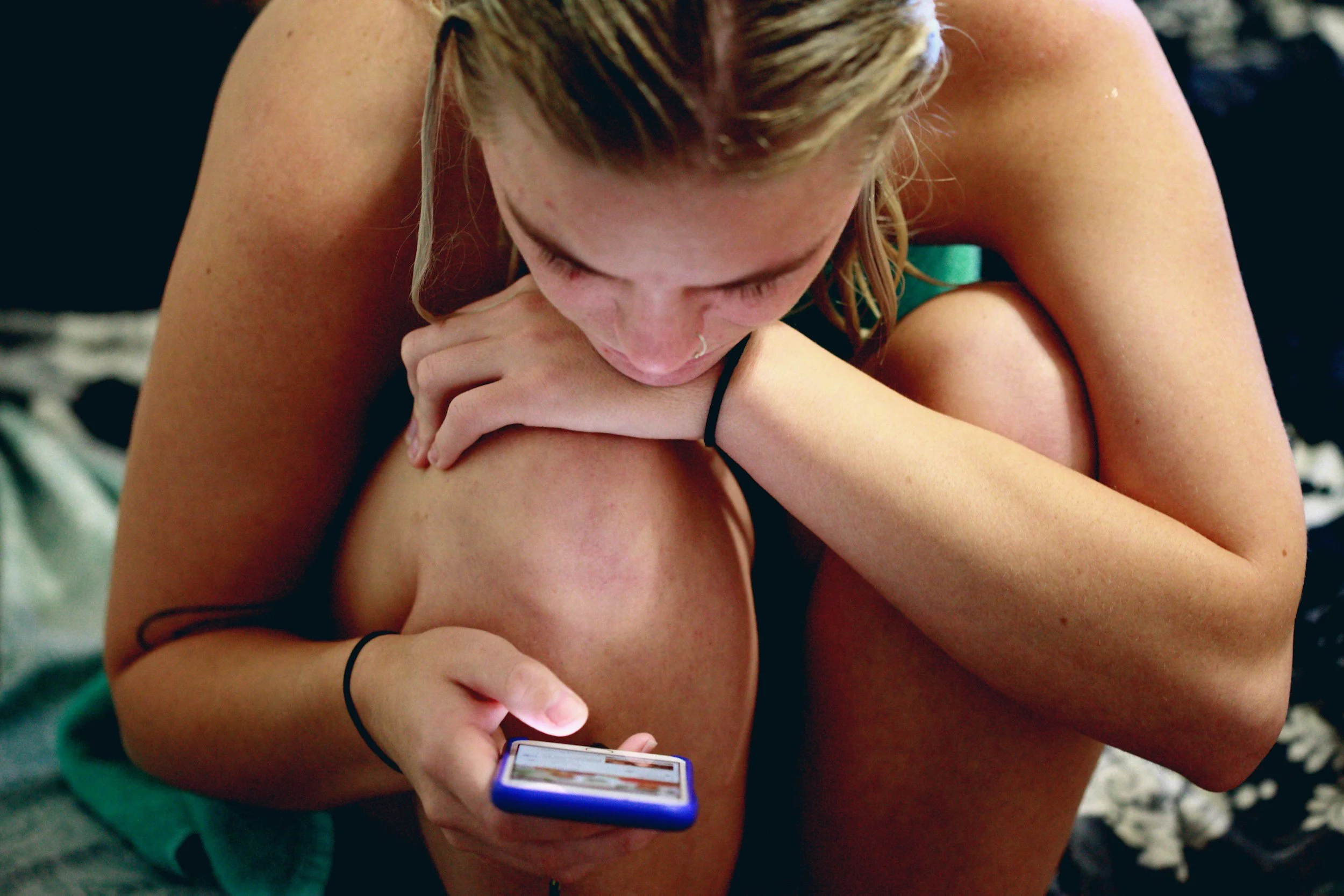
If you open Hinge or Tinder multiple times a day just to see if you have new matches, you are not alone. Many people find themselves staring at their phones, waiting for a notification that makes them feel wanted. What starts as a fun way to meet new people can quickly turn into an exhausting habit. When you feel addicted to swiping validation becomes a temporary fix for a deeper sense of loneliness. You might not even want to go on dates anymore. Instead, you just want the rush that comes from knowing someone liked your profile.
This behavior is very common in modern dating, but it often leaves people feeling empty. As a licensed therapist, I hear about this cycle every week. Clients tell me they feel trapped by their phones. They want to delete the apps, but the fear of missing out on that next hit of validation keeps them trapped. To break free from this pattern, we have to look closely at what is actually happening when you open those apps.
What is a Dating App Validation Loop?
The main reason people feel dependent on these apps is because of how they are designed. These platforms use the same psychological principles as slot machines. When you pull the lever on a slot machine, you do not win every time. The unpredictability is what keeps you playing. Dating apps work exactly the same way. You swipe through several profiles without much interest, and then suddenly, you get a match.
This unexpected match triggers a release of dopamine in your brain. Dopamine is a chemical that makes you feel good and encourages you to repeat a behavior.
The Dopamine Trap of Modern Swiping
Your brain loves dopamine. When you receive a notification, your brain registers it as a reward. Over time, your brain learns to associate the act of opening dating apps with that pleasant emotional lift. You begin swiping not because you are looking for a meaningful relationship, but because you need a quick boost of self-esteem.
The problem is that this reward is short-lived. The good feeling from a new match might last for just a few minutes. As soon as the rush fades, the underlying feelings of self-doubt return. This forces you to open the app again, searching for the next match to keep your mood stable. This is what psychologists call a validation loop.
How Anxious Attachment Fuels the Pattern
Our relationship history and attachment styles play a massive role in how we use technology. People with an anxious attachment style often have a deep-seated fear of rejection. They frequently look to the outside world to prove that they are worthy, attractive, and safe.
If you have an anxious attachment style, dating apps can feel like a lifeline. Every swipe is an opportunity to get reassurance from a stranger. If someone likes your profile, you feel safe and valued. However, if the matches stop coming, or if someone does not reply to your message, your attachment system goes into a state of alarm. You might feel a sense of panic and start swiping even faster to find a replacement match who can restore your sense of worth.

Why Do We Keep Swiping When It Makes Us Feel Bad?
It can feel incredibly frustrating to realize you are doing something that makes you unhappy. Many people feel deep shame about their app usage. They wonder why they cannot just put the phone down. Understanding the psychological layers of this habit can help remove that shame.
Digital Swiping as an Emotional Distraction
We often open dating apps when we are feeling uncomfortable emotions that have nothing to do with dating. Think about the last time you spent an hour swiping. Were you feeling lonely, bored, stressed, or anxious about work?
Swiping functions as an easy escape from reality. It takes a lot of mental energy to sit with difficult feelings or to address a real problem in your life. Opening an app requires almost no effort, and it provides an immediate distraction. It is much easier to focus on whether a stranger likes your photos than it is to sit with the quiet discomfort of a lonely evening.
The Illusion of Infinite Choice
Dating apps create an illusion that the perfect partner is just one more swipe away. This is known as choice overload. When you believe that there is an endless supply of single people available, you can become disconnected from the human being behind the screen.
You stop viewing profiles as real people with complex lives. Instead, those profiles become objects used to measure your own popularity. You keep swiping because you are curious if someone even more attractive will match with you. This turns dating into a game where the goal is to collect points rather than build a genuine connection.
Signs Your Relationship with Dating Apps Has Become Unhealthy
It can be difficult to tell the difference between healthy dating app use and a validation habit. Here are a few clear signs that your relationship with apps like Hinge has become unhealthy:
You feel anxious when your phone is out of reach. You constantly check for notifications, even during work or while spending time with friends.
You match with people but never start a conversation. You realize that you only want the match itself, not the actual relationship that could follow.
Your self-esteem drops when the app is quiet. A day without matches makes you feel deeply insecure, unattractive, or hopeless.
You use apps to avoid real-life feelings. You notice a strong urge to swipe whenever you feel sad, bored, or stressed.
You feel exhausted and cynical about dating. You find yourself complaining about online dating constantly, yet you cannot bring yourself to delete your profiles.
Practical Steps to Break the Swiping Validation Cycle
Breaking a habit that is rooted in dopamine and attachment needs takes time and patience. You do not have to change everything overnight. Instead, you can focus on making small, conscious changes to how you interact with your phone.
Setting Firm Boundaries with Your Phone
If you leave your dating apps on your home screen with notifications turned on, your brain will constantly tempt you to open them. Take control of your environment by turning off all push notifications for dating apps. Move the app icons into a folder away from your main screen so you do not see them automatically.
Set a specific time of day to check your matches, such as fifteen minutes during your lunch break or after dinner. When that time is up, close the app and commit to keeping it closed for the rest of the evening. This helps retrain your brain to stop expecting a constant stream of digital rewards.
Shifting Toward Internal Validation
The only permanent cure for an addiction to external validation is learning to validate yourself. This means building a life that feels rich and meaningful outside of your romantic status.
Spend time doing activities that make you feel capable and proud of yourself. Connect with close friends who love you for exactly who you are. Engage in hobbies that require your full attention, like cooking, painting, reading, or playing a sport. When your life is full of real-world meaning, you will naturally care much less about whether a stranger on Hinge liked your profile.
How Therapy Helps You Build Lasting Self-Worth
Overcoming a need for constant approval is hard work, especially when dating apps are designed to exploit our vulnerabilities. If you find yourself stuck in this cycle, working with a therapist can provide the insight and tools you need to make lasting changes.
In therapy, we do not just talk about your phone habits. We look at the underlying beliefs you hold about yourself. We explore why you feel you need approval from others to feel secure, and we work to heal the old wounds that keep you feeling anxious in relationships. You can learn to trust your own worth without needing a smartphone screen to validate it for you.
If you are ready to stop swiping and start building a secure, peaceful relationship with yourself, please reach out to my practice. Together, we can help you step away from the digital noise and move toward a life of genuine connection.
Therapist Local Call-to-Action Block
Ready to Break the Swiping Cycle in Colorado? If you feel trapped by the need for constant validation on dating apps and want to build lasting self-worth, therapy can help. I offer specialized counseling for individuals struggling with modern dating anxiety in Colorado. Click here to schedule your initial consultation and let's work together to help you regain your peace of mind.
