
Understanding Dopamine Hits: Why Smartphone Habits Drive Relational Anxiety
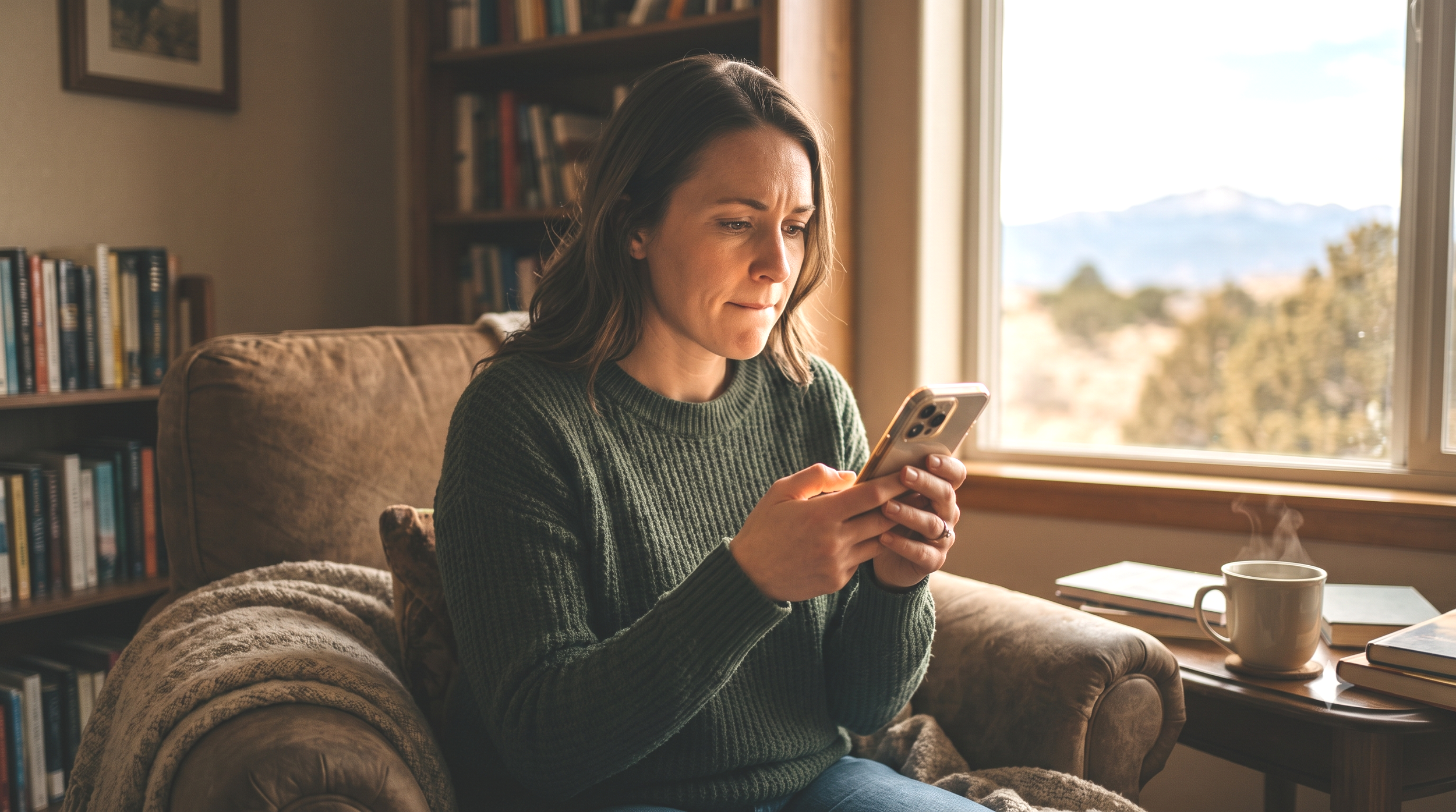
Ever find yourself compulsively checking your phone for a text from your partner? That sudden surge of relief when a notification pops up is a digital dopamine hit in action. While mobile technology makes communication easy, relying on your screen for validation can silently fuel relationship anxiety and emotional overthinking. Discover how smartphone habits trigger your brain's reward system, learn the difference between dopamine and true oxytocin connection, and explore practical steps to build grounded, lasting peace in your relationship.

The True Cost of Hypervigilance: Recognizing the Signs of Trust Struggles in Your Daily Life
Understanding the Invisible Weight of Relational Trauma: Healing the Nervous System to Build Lasting Trust
When you are struggling with building trust in relationships, it can feel like you are constantly living on high alert. You might find yourself analyzing a partner's tone of voice, worrying when a friend takes too long to text back, or mentally preparing yourself for the moment someone decides to leave. This state of constant scanning is not a flaw in your character. It is a natural response from a nervous system that has learned that vulnerability is dangerous.
Living with the fear of rejection means your emotional alarm system stays on. To protect yourself from the pain of being discarded or let down, you might create distance, push people away, or avoid getting close to anyone at all. While these choices are meant to keep you safe, they often reinforce the very isolation you want to escape. Understanding how past wounds fuel distrust can help you shift away from defense mechanisms and move toward authentic, lasting connection.

Signs Your Relationship Needs Work and How to Fix It
Is your relationship feeling distant, tense, or stuck? It's important to know that many couples encounter these challenges, and with effort and the right approach, improvement is entirely possible. Discover the key signs your relationship may need attention and learn practical, therapist-informed strategies to reconnect and strengthen your bond, so you can feel close again.